
Part 2: The Hidden Costs of Disconnected Grain Systems
In grain accounting, there's an old saying: “Parallel files aren't.” When merchandising, inventory, and accounting operate in separate systems, keeping information consistent becomes a daily challenge.
A grain delivery might be recorded in one system, applied to a contract in another, and reflected in the general ledger through a separate process. Even when each department does its job correctly, the business can end up with different versions of the same transaction. The cost goes far beyond the time spent reconciling those records.
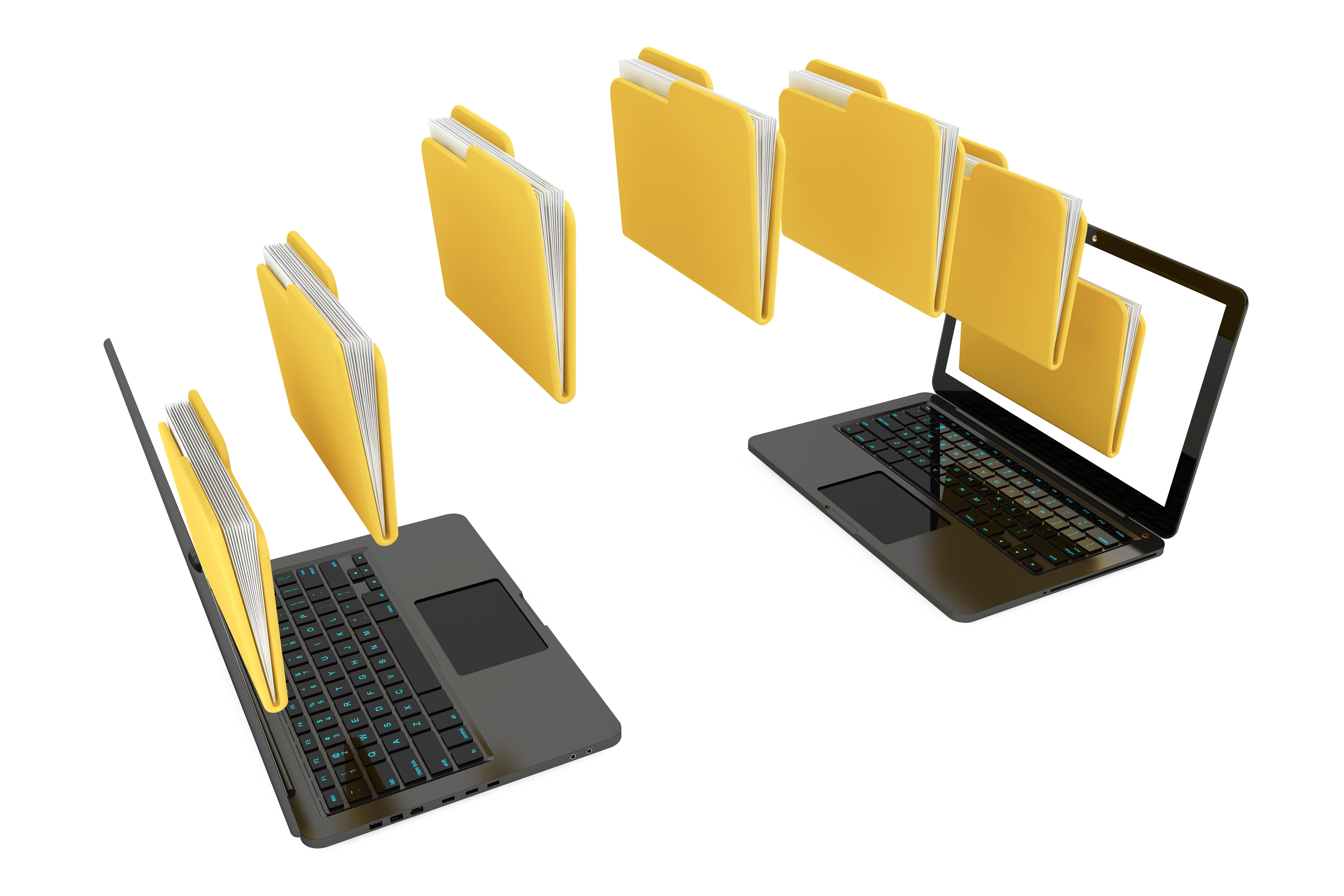
Disconnected Systems May Create Unreliable Answers
Consider what happens when a farmer delivers a load of grain. The scale records the weight and quality. The merchandising team applies the delivery to a contract. Accounting needs the corresponding inventory and financial information. If these activities aren't connected, employees may need to manually transfer the information between systems.
1. Reconciliation Becomes a Permanent Task
Every manual transfer introduces the possibility of an error, missing adjustment, or delayed update. A delivery applied to the wrong contract might cause the merchandising system to show one balance while accounting shows another. Correcting the difference requires investigation, adjustments, and staff time. Instead of analyzing the business, employees spend their time determining which numbers are correct.
2. Spreadsheets Become Work Arounds
When existing software cannot handle a particular transaction, spreadsheets often fill the gap. This is especially common with unpriced grain, where the final purchase price may not be established when the commodity arrives.
Spreadsheets may help track information temporarily, but they introduce problems of their own:
- Multiple versions of inventory calculations
- Manual updates that can be overlooked
- Information not immediately reflected in financial reporting
- Difficulty tracing adjustments back to the original transaction
When a business depends on external files to determine the quantity or value of its grain inventory, obtaining a reliable financial picture becomes unnecessarily difficult.
3. Delayed Information Creates Market Risk
Grain merchandising depends on accurate information about physical inventory, outstanding contracts, and futures positions. Suppose market prices change sharply during the trading day. A merchandiser needs to understand the company's exposure before making a pricing or hedging decision.
If physical inventory and financial positions are maintained separately, the team may need to gather reports from several sources before obtaining a complete picture. By the time the information is reconciled, the market may have moved. The issue isn't simply slower reporting; important decisions may be based on incomplete or outdated information.
The Real Cost Is Lost Confidence
The most damaging consequence of disconnected systems is uncertainty. Can the accounting team trust the inventory value? Can the merchandiser rely on the outstanding contract balance? Can management determine its exposure without requesting several reports?
When answering basic questions requires additional reconciliation, information becomes a barrier rather than an advantage. The goal shouldn't be to make two independent systems balance more efficiently. It should be to reduce the number of disconnected records that need reconciliation in the first place.
A unified system such as Grossman Software Solutions' Agrosoft or AgExceed connects commodity transactions with inventory and accounting records, helping departments work from consistent information.
Related Questions
Q: How can I tell if my grain accounting systems are costing my business time and money?
A: Common signs include repeated manual data entry, frequent reconciliation, conflicting inventory reports, and heavy spreadsheet use. If employees routinely verify numbers between systems rather than analyze them, disconnected software may be adding costs.
Q: Can connecting two separate systems eliminate grain accounting discrepancies?
A: Integrations can reduce manual transfers, but differences in timing, transaction rules, and calculations can still cause discrepancies. A unified transaction framework reduces the number of independently maintained records.
Q: Which grain transactions are most likely to cause reconciliation problems?
A: Contract applications, deliveries, transfers, quality adjustments, and settlements are common trouble spots. Connecting them to consistent records makes discrepancies easier to prevent and trace.
GO TO PART 3: 3 Steps to Unify and Automate Your Agribusiness
BACK TO PART 1: Stop Accounting for Grain, Start Managing Your Entire Business