
A Seasonal Opportunity: Making the Most of Your Crop Inputs Business
In crop inputs, much of the year's sales activity can fall into a very short window. A business might do 90% of its crop inputs business within a 3-to-4-week period during spring planting season. In that window, knowing your costs and when your ingredients will arrive is central to setting pricing and maintaining your profit margin.
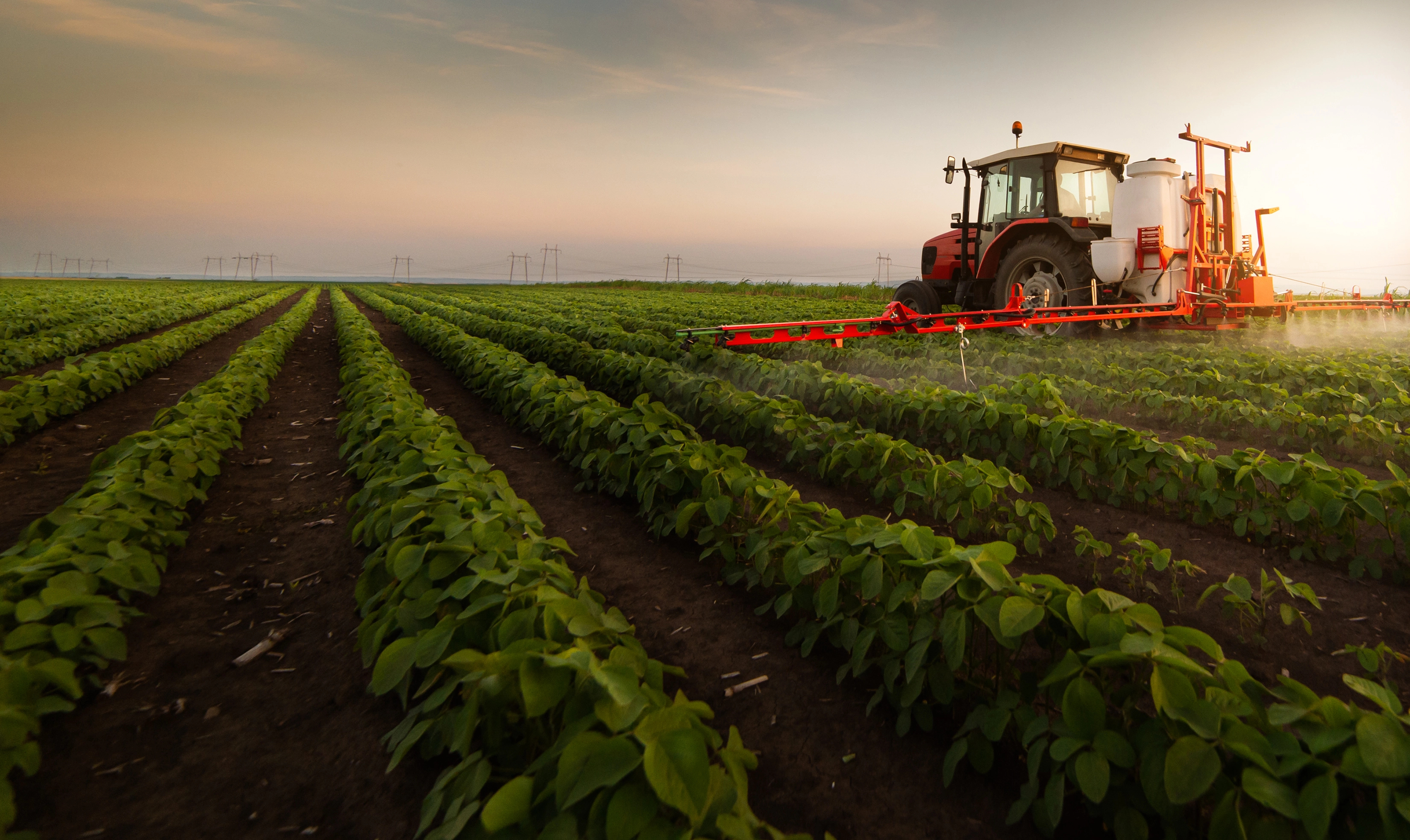
Crop Inputs is a Seasonal Opportunity
Most farmers fertilize their fields at the same time, based on weather conditions. Others are planting or harvesting at the same time. Sales activity in crop inputs follows them.
That means decisions have to be made quickly, and product has to be delivered when it's needed. Knowing costs and being able to project ingredient needs is crucial to your overall dollar margin position. If you don't have a strong handle on when ingredients will arrive and what they will cost, the impact on your margins can be large.
Selling Below the Cost of the Ingredients
The risk sits in the fixed-price sale. If you promise to sell something at a fixed price, you need to know you have secured the ingredients you need, as of the delivery date, at a price that makes the sale profitable.
It is not enough to know you are going to purchase some ingredients you may need at some point. You need to know the specific ingredients will be delivered to a location at a particular price, so that the sale is priced correctly. Otherwise, you may end up selling your finished product for less than the cost of the ingredients.
Fertilizer is a good example. You are buying commodities such as potash or urea as ingredients and blending them into a finished product. As with feed ingredients, or other commodity based products, prices can fluctuate widely.
Timing And Costs Are Key
Getting this right has always been a struggle. When the information behind a sale is spread across separate systems, it is harder to see whether the ingredients are secured at the right price and at the right time before you commit to a sales agreement.
Agrosoft addresses this with inventory projections and commodity position. Inventory projections start with the inventory you have on hand. They add orders coming in and going out as of a given date, along with scheduled internal transfers between locations. The result is your net inventory for urea or another ingredient as of a certain date. You can then compare what you have, or will have, to what you need. Sales orders and other projection tools can reflect your future needs in those projections.
The value is being able to look into the future and see your needs as of a particular date, before the sales commitment is made.
How do agribusinesses use inventory projections and position reporting to price spring crop input sales against what their ingredients will actually cost?
Related questions
Why does the spring window matter so much for crop inputs margins?
Most farmers fertilize, plant, or harvest at the same time, depending on the weather. A business might do 90% of its crop inputs business within a 3-to-4-week period during spring planting season. With that much activity in so little time, knowing when ingredients will arrive and what they will cost has a large effect on margins.
How can an agribusiness end up selling below the cost of its ingredients?
By promising a fixed price without knowing that the ingredients are secured for the delivery date at a price that makes the sale profitable. Knowing you will purchase something at some point is not enough. You need to know the ingredients will be delivered to a location at a particular price. Otherwise, you may sell your product for less than the cost of the ingredients.
How do inventory projections help?
Inventory projections take the inventory you have on hand, orders in and out as of a given date, and scheduled internal transfers between locations. They show your net inventory as of a certain date, so you can compare what you have or will have to what you need.
Read Next: Pricing Fertilizer Blends: Vendor Managed Inventory, Unpriced Contracts and Live Blending
Start here: Understanding the Complete Picture: Both Sides of Your Customer Relationship